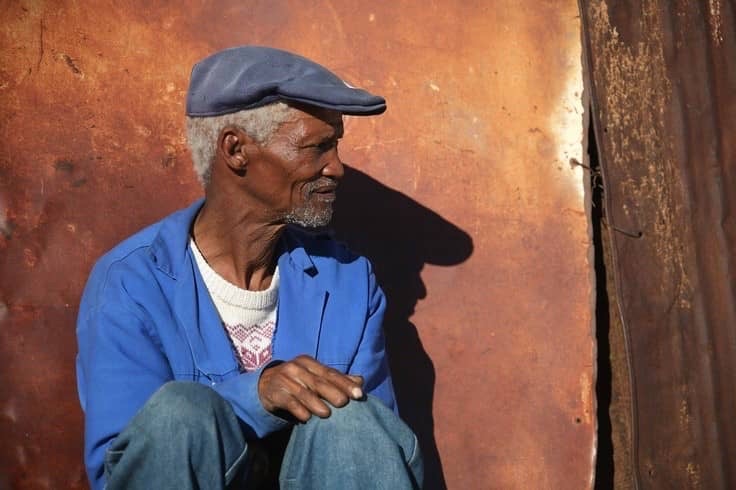
In the heart of Accra, Samuel Boateng closed his small printing shop earlier than usual. At 62, his eyesight was failing, and business had slowed. For over 30 years, he had worked tirelessly, printing flyers, posters, and documents for customers. But now, as retirement loomed, one harsh reality stared him in the face—he had no pension.
For Samuel and many urban informal workers, the tier 3 pension plan had always seemed complicated. “I kept telling myself I’d start saving next year,” he admitted. “Now, it’s too late.”
His rent was due, his medical bills were piling up, and his children, though supportive, had their own struggles. Without a pension, Samuel had no choice but to keep working, even as exhaustion set in. “Retirement?” he scoffed. “That’s for government workers. People like me work till we can’t anymore.”
In Ghana’s cities, thousands of self-employed workers face the same fate. The Tier 3 pension plan exists, but awareness is low, and contributions feel impossible when daily survival is the priority. For many, retirement is not a time to rest—it’s a desperate fight to stay afloat.
 Site Title