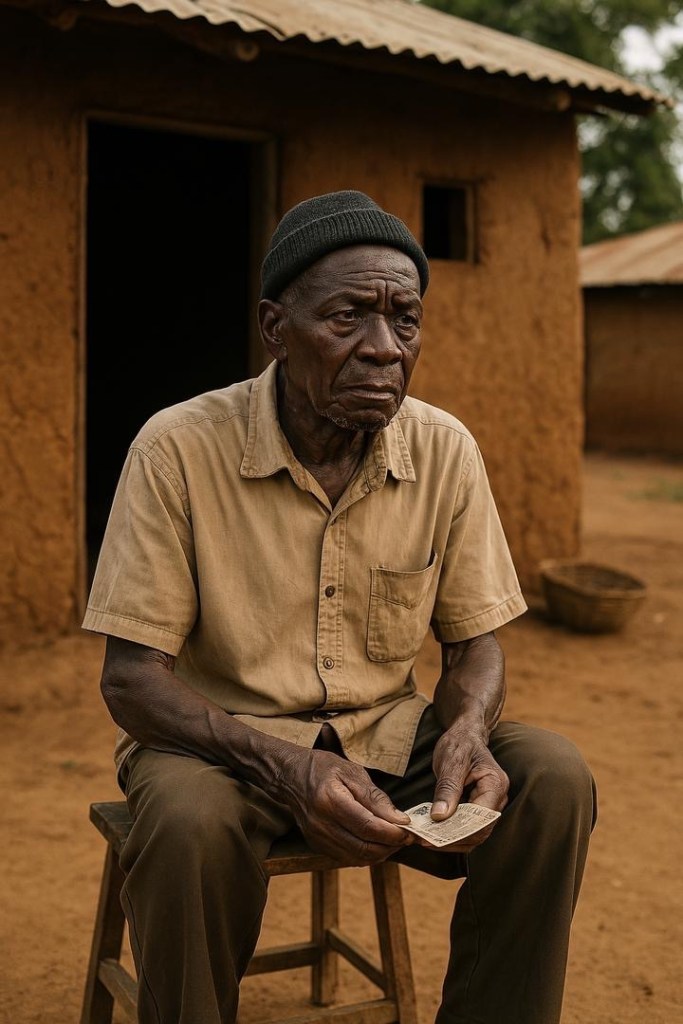
Sixty-five-year-old Kofi Mensah sat outside his small mud house in Domeabra, a Tier 3 community in Ghana. He had spent 40 years as a cocoa farmer, yet now, in retirement, he had nothing to show for it.
Unlike government workers in the cities who received monthly pensions, Kofi relied on irregular support from his children and the little he saved through an informal susu scheme. The Tier 3 pension system—designed for informal workers like him—was supposed to help, but few in his village understood it, and even fewer had enrolled.
One day, he walked to the nearest town to check if he could claim anything from the scheme. After waiting hours in line, he was told he hadn’t contributed enough. “So what happens to people like me?” he asked. The officer only sighed.
As prices of food and medicine rose, Kofi realized his future depended not on a pension, but on the goodwill of his family. In Ghana’s rural communities, retirement wasn’t about resting—it was about survival.
 Site Title